

Building & Pest Inspections in Kenwick
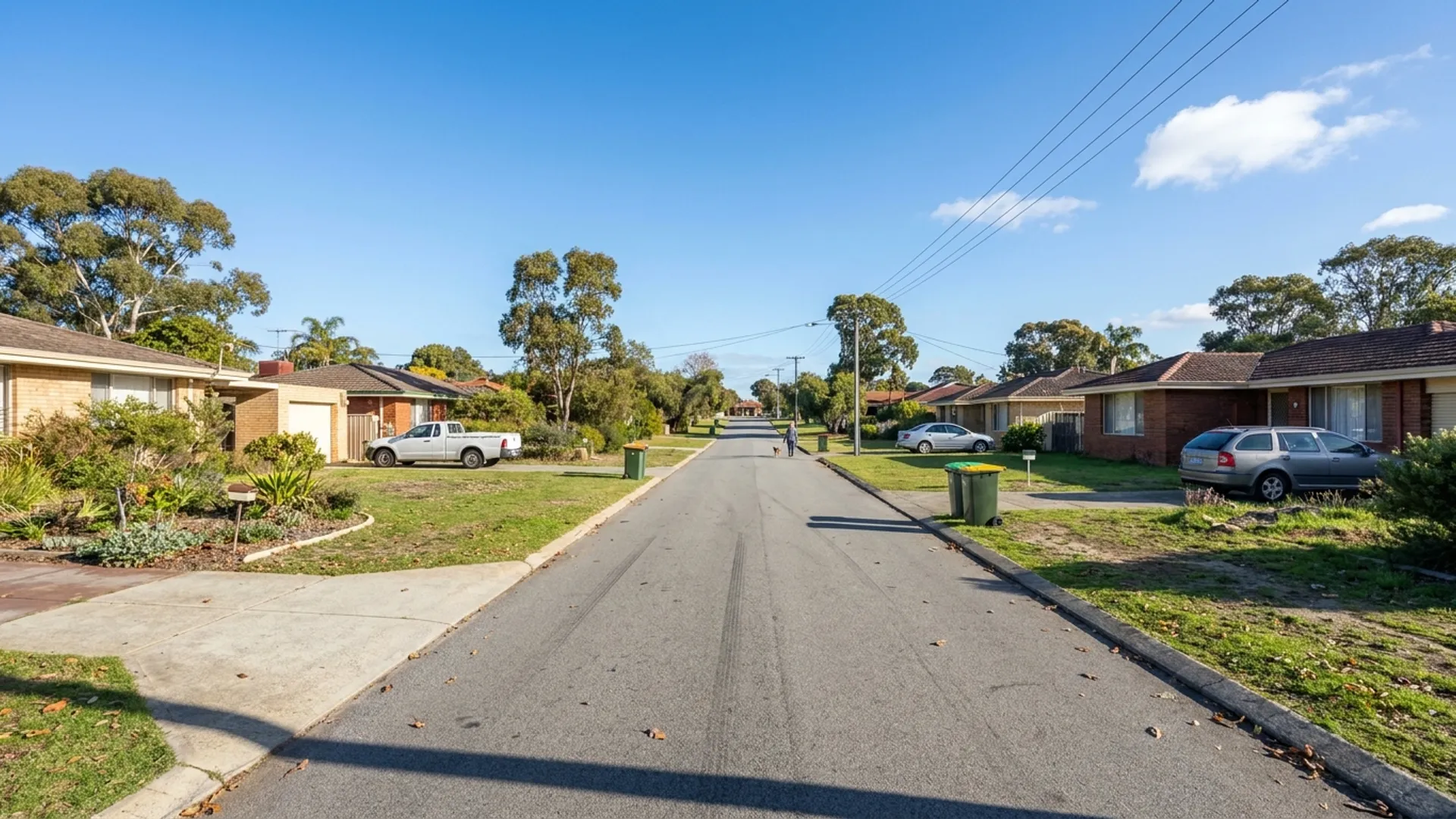
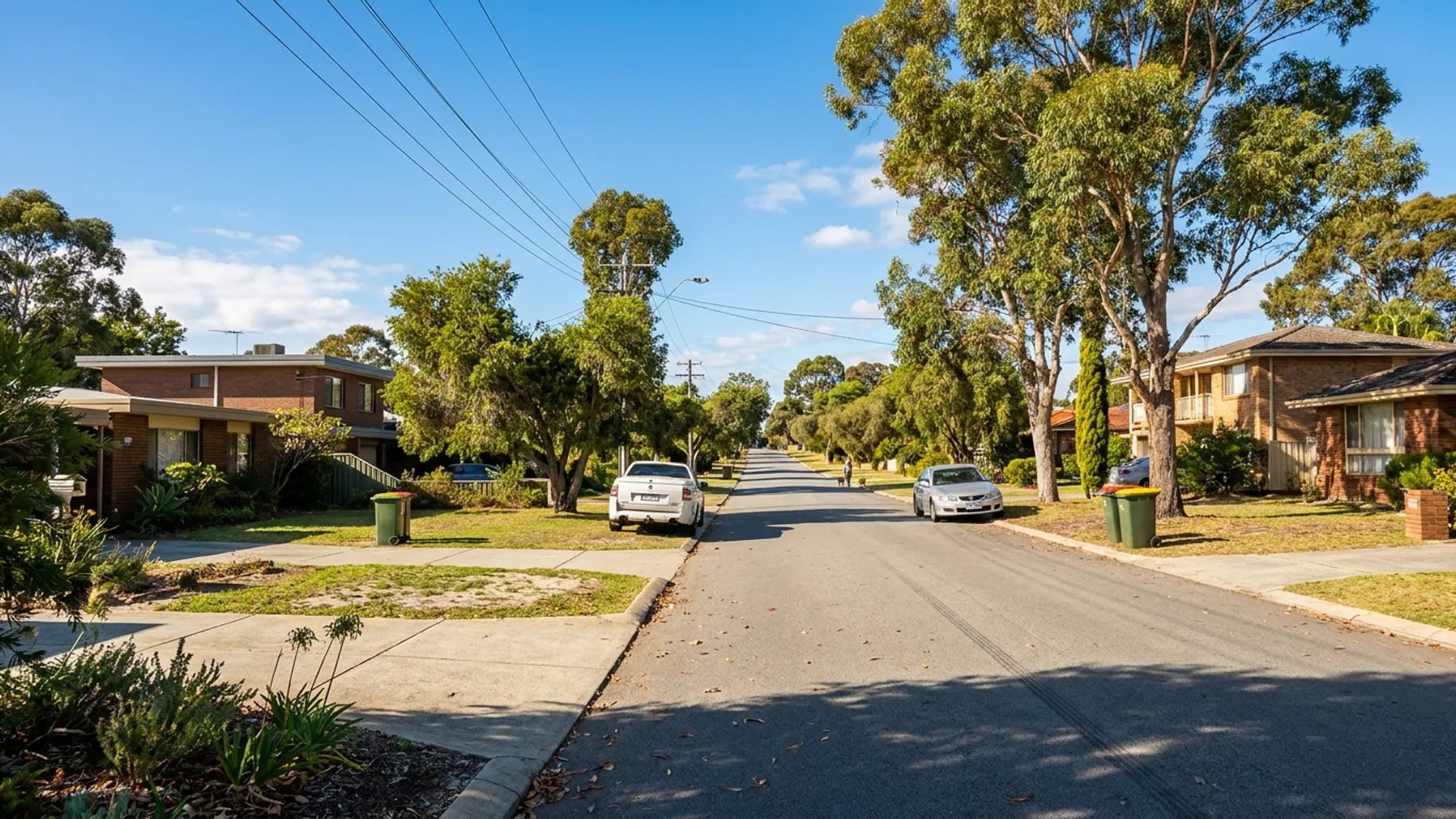
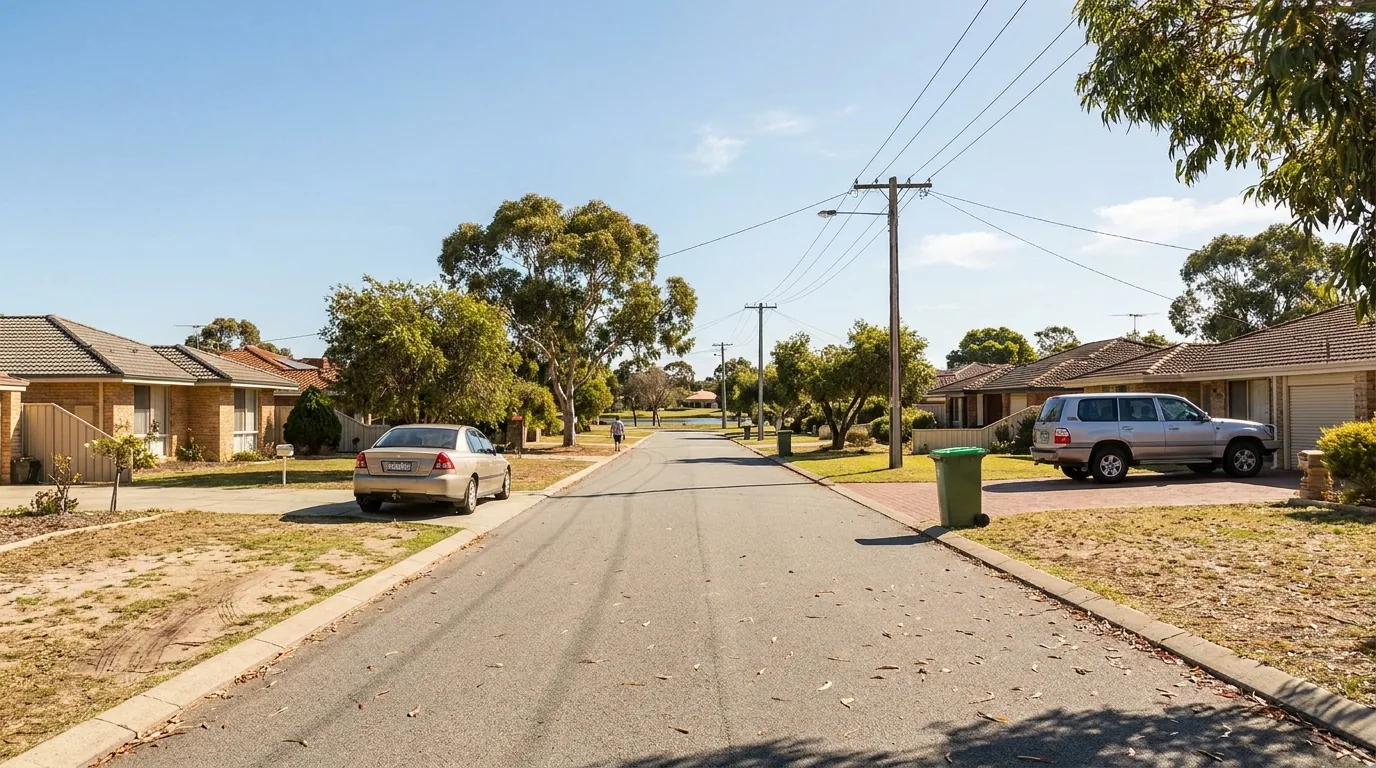
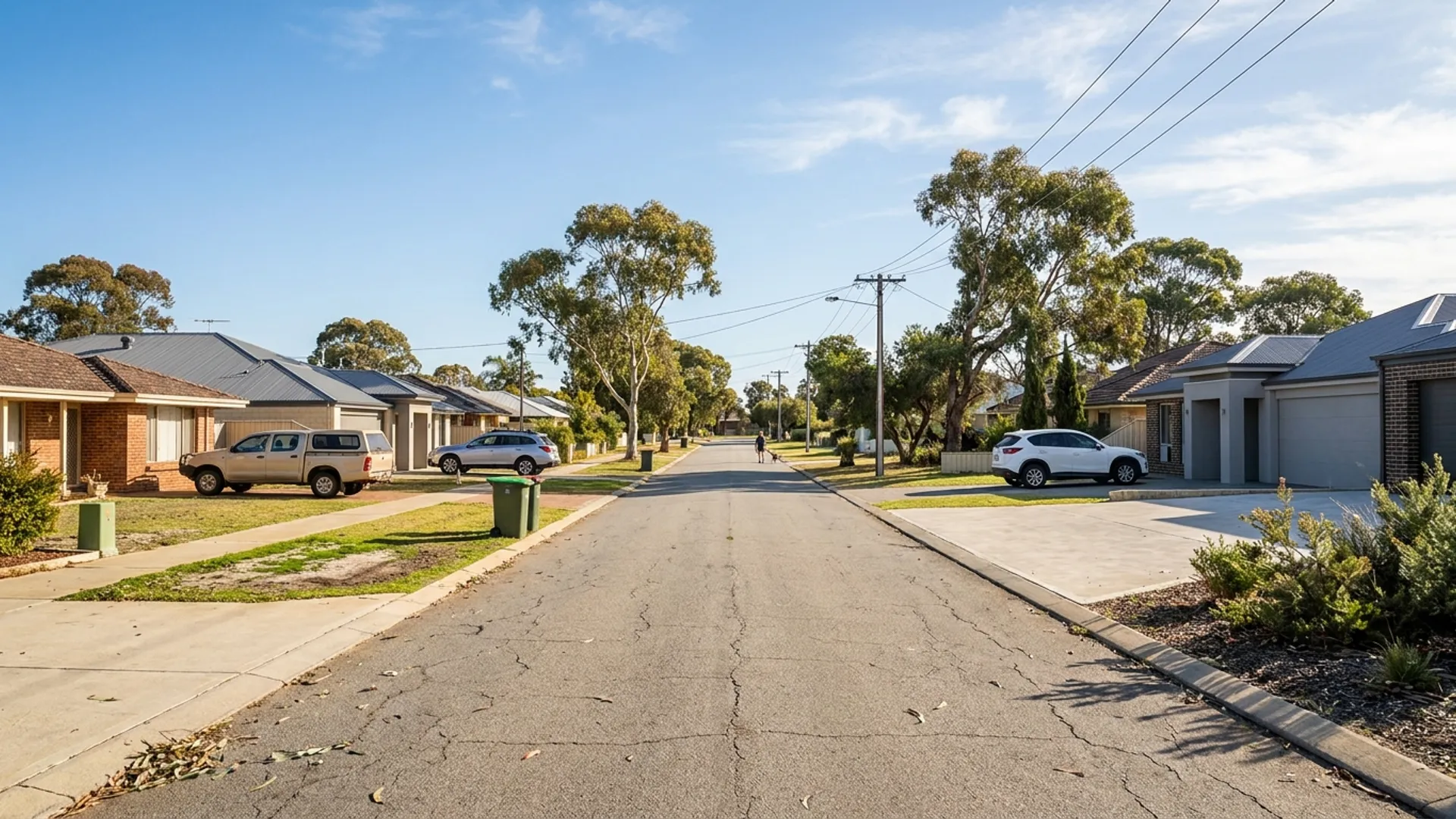
Kenwick sits on some of the most reactive clay in Perth's south-east corridor. The Guildford Formation underneath is classified as Class M to Class H (moderately to highly reactive) under Australian Standard AS 2870, meaning the soil undergoes significant volume change with seasonal moisture variation. After 50-60 years of cyclical swelling and shrinking, the 1960s and 1970s brick-and-tile homes that dominate Kenwick have been pushed, pulled, and cracked through repeated foundation movement that is among the most aggressive in the metro area. Foundation heave. Where the clay swells upward and physically lifts sections of the slab. Is a defining characteristic of Kenwick properties, distinct from the more common settlement-pattern cracking found in other suburbs.
The Brixton Street Wetlands, a nationally significant seasonal wetland system, lie within and adjacent to Kenwick. These wetlands fill during Perth's wet winter months and retain moisture well into summer, creating permanently damp soil conditions that support extreme subterranean termite populations. The wetlands are part of a larger ecological corridor that connects through to the Canning River system, providing uninterrupted termite habitat that feeds directly into the residential area. For any property in Kenwick, the convergence of severely reactive clay and extreme termite pressure makes a combined building and pest inspection essential.
Kenwick has a high proportion of investment and rental properties, and the deferred maintenance that accompanies long-term rental management compounds both structural and pest risks. Gutters left unrepaired allow water to pool against foundations. Catastrophic on reactive clay where moisture management is the single most important factor in preventing further structural damage. Leaking plumbing creates moisture sources that attract termites into the structure. Roof tile damage goes unaddressed for years, allowing progressive moisture damage to the roof space. The combination of aggressive soil, extreme pest pressure, and deferred maintenance makes Kenwick one of the highest-risk inspection environments in the south-east corridor.
What We Look For in Kenwick Properties
Reactive Clay Foundation Heave & Slab Cracking
Kenwick's Class M/H reactive clay causes foundation heave. The upward swelling of the clay pushing the slab above its original level in areas where moisture accumulates. This is different from settlement, where the slab sinks. Heave creates a distinctive cracking pattern: the centre of the slab lifts while the edges remain lower, causing cracking in both the slab and the masonry above. In Kenwick, this pattern is compounded by the seasonal reversal. The clay shrinks in summer, allowing the heaved section to partially subside before swelling again the following winter. After 50+ years of this cycle, many Kenwick homes show severe diagonal step-cracking in brickwork, doors and windows permanently jammed or unable to close, and floors with measurable variation across the floor plan. Our inspectors use laser levelling to quantify the current slab profile and assess whether the heave is active or has stabilised.
Brixton Street Wetlands Termite Corridor
The Brixton Street Wetlands are a nationally significant ecological feature. And they also create one of the most extreme termite risk environments adjacent to any residential area in Perth. The wetlands retain moisture for most of the year, and the surrounding native vegetation provides undisturbed harbourage for large, established Coptotermes acinaciformis colonies. These colonies forage outward through the reactive clay, which retains moisture year-round and provides ideal conditions for subterranean tunnel construction. Properties on streets adjacent to or within the wetland corridor face the highest direct pressure, but the moisture-retaining clay extends the effective foraging range across the entire suburb. Our inspectors use thermal imaging to detect active colonies behind wall linings and check for conditions conducive to termite entry. Particularly slab penetrations, garden beds against foundations, and areas where moisture concentrates against the building.
Rental Property Deferred Maintenance
Kenwick's high rental proportion creates a pervasive pattern of deferred maintenance that directly amplifies both structural and pest risks. On reactive clay, water management is everything. And in rental properties where gutter repairs, paving maintenance, and drainage upkeep have been deferred for years, water concentrates against foundations rather than being directed away. Every unrepaired gutter joint, every blocked downpipe, every section of cracked paving directing water toward the slab is contributing to further clay movement underneath. Simultaneously, the unmanaged moisture creates conditions that attract termites. Our inspectors document not just existing defects but the maintenance failures that are causing ongoing damage. This gives buyers a clear picture of both the current condition and the trajectory of deterioration.
Asbestos Prevalence & Remediation Cost
Kenwick's 1960s and 1970s homes carry very high asbestos prevalence. Between 40% and 55% of unrenovated properties contain asbestos-containing materials. Super Six fencing is near-universal on boundary lines. Eaves frequently contain asbestos sheeting. Wet-area linings in original bathrooms and laundries may include asbestos-cement sheet. Vinyl floor tiles in original 1960s-1970s kitchens and bathrooms often conceal asbestos-containing black mastic adhesive beneath. Frequently hidden under newer floor coverings installed over the top. For buyers planning any renovation work, the asbestos remediation cost needs to be understood before purchase. Licensed removal of asbestos materials from a typical unrenovated Kenwick home can add thousands to the real acquisition cost, and this is often underestimated by buyers focused on the purchase price alone.
Precincts We Service
- Brixton Street Wetlands corridor. Nationally significant wetland, extreme termite pressure, permanently moist soil, highest pest risk zone in the suburb
- Western Kenwick. Class H reactive clay, most severe foundation heave and slab cracking, Canning River system connection
- Central Kenwick. 1960s-1970s brick-and-tile, high rental proportion, deferred maintenance patterns, standard age-related defects compounded by clay movement
- Kenwick rail corridor. Properties near the train line, noise and vibration considerations, some infill subdivision activity
Timber Pest Inspections in Kenwick
Kenwick's timber pest risk is among the highest in the Canning Vale hub region, driven by the Brixton Street Wetlands and the moisture-retaining Guildford Formation clay that underlies the entire suburb. The permanently moist soil sustains large Coptotermes acinaciformis colonies that forage aggressively through the clay into residential structures. Unlike suburbs on Bassendean Sand, where seasonal drying can limit termite activity during summer, the reactive clay in Kenwick retains enough moisture to support year-round foraging. Meaning there is no low-risk season for termite activity in this suburb.
The 1960s and 1970s housing stock is particularly vulnerable. Pine framing and trusses have dried out over 50-60 years, becoming significantly more palatable to termites. In homes where the reactive clay has caused cracking in the slab or external brickwork, those cracks provide direct entry paths for subterranean termites. Bypassing any termite management system that may have been installed at construction. In rental properties where regular inspections haven't been maintained, concealed damage can progress substantially before detection. A dedicated timber pest inspection is essential for any pre-purchase in Kenwick. Standalone timber pest inspections are $250, or $178 when combined with a building inspection. Given the extreme convergence of structural and pest risks in this suburb, the combined approach is what we recommend for every Kenwick property.
Pest Control in Kenwick
The Brixton Street Wetlands, reactive clay, and aging housing stock create persistent pest pressure across Kenwick that exceeds most suburbs in the south-east corridor. The permanently moist soil conditions support higher populations of cockroaches. German cockroaches in particular thrive in the humid subfloor and wall cavity environments created by rising damp and poor ventilation in older homes. Spiders establish extensively in undisturbed wall cavities, subfloor spaces, and the gaps created by structural cracking in brickwork. Rodents exploit damaged roof tiles and fretting mortar joints to access roof voids.
The wetland environment also supports elevated mosquito populations during Perth's warmer months, particularly for properties adjacent to the Brixton Street corridor where standing water persists well into summer. For rental properties, end-of-lease pest treatments are a regular requirement. Flea treatments after pet-owning tenancies and general pest treatments specified in lease agreements. Our residential pest control covers general pest treatments for ants, spiders, cockroaches, and rodents, as well as targeted termite inspections and barrier treatments for properties in the wetland corridor zone. Pest control starts from $189.